
When Two Minds Become Entangled, Reality Begins to Unravel
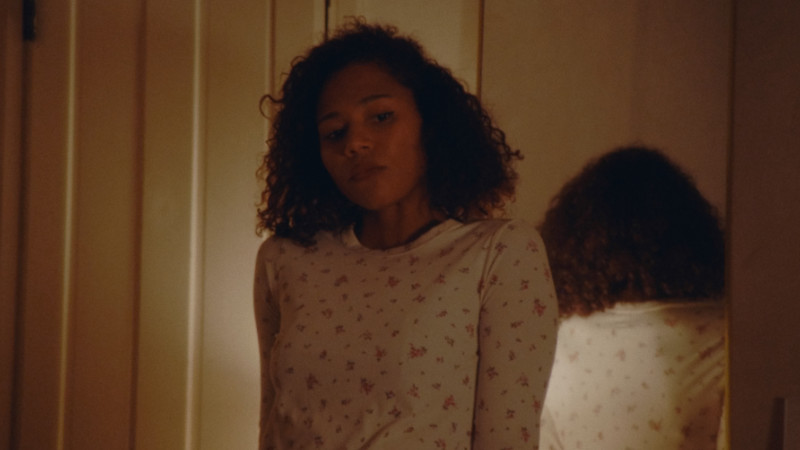
WIRED, directed by Daniel Salas, plunges into the fractured mind of a psychiatric patient following an experimental corpus-brain procedure. What begins as an attempt to alter the boundaries of the human mind takes a disturbing turn when his consciousness becomes intertwined with that of a former subject, leaving him struggling to distinguish his own thoughts, memories, and impulses from those invading his head.
Blending psychological suspense with cerebral science fiction, WIRED plays with the terrifying implications of losing ownership over the one place we assume is entirely our own. As identities begin to overlap and control becomes increasingly fragile, Salas turns an experimental procedure into a tense exploration of consciousness, autonomy, and what remains of the self when another mind is suddenly wired into yours.
Below, we speak with director Daniel Salas about the ideas behind WIRED, exploring fractured consciousness through science fiction, and building suspense from the increasingly unstable boundaries of the mind.

Wired explores the unsettling idea of two consciousnesses becoming intertwined. What first sparked the concept behind the film, and what drew you to this psychological sci-fi premise?
The idea initially was sparked by my influences, specifically David Cronenberg and artist Sarah Sitkin. I became fascinated by the idea of fusing flesh and technology, so I did some research of my own and studied brain implants and brain surgeries, which led to MK-Ultra research and ultimately to what I wanted to represent: humans' obsession with technology and how far we want to take that obsession.
At its core, the film seems to ask what defines our identity when our thoughts and memories are no longer entirely our own. Was that philosophical question always at the heart of the story?
The philosophical question about identity and our thoughts and memories no longer being entirely our own was not the heart of the story. But I think that's the beauty of a film of this nature: it allows the audience to come to their own conclusion about what they have witnessed, and that’s super cool. So, I’m glad the film presented that to you.
The film balances psychological tension with speculative science. How did you approach making the technology feel believable without letting it overshadow the human story?
My approach to making the technology believable without it overshadowing the human story was that I knew I needed to keep the story from being too far from our present day. From the get-go, I wanted the tech to be something someone could touch, utilizing knobs, presenting a modified version of common household items such as the CRT television. It makes the world feel that much scarier because it adds to the paranoia of these characters, letting us feel the creepy atmosphere with them even if the narrative is abstract.

As the protagonist’s grip on reality begins to unravel, the visual language evolves with him. How did you use cinematography, editing, and production design to immerse the audience in his deteriorating state of mind?
Sci-Fi on a low budget, in my opinion, is always a gamble because of the scale the genre presents, so I needed to get creative. I have a great relationship with my DP, and we knew the cinematography had to be unusual. We didn’t have a lot of money, so presenting the unraveling of the character had to be done through cinematography, whereas a bigger film would've done it through more VFX. A big influence for us was Mr. Robot. The same philosophy goes for all the avenues of production. We couldn’t afford more props, so we made the world emptier. There was no money for intense VFX, so we did a lot with editing. I have a background in editing and video art, so the editing process needed a hands-on approach from my part as the director.
There’s an escalating sense of paranoia throughout the film. How did you build that tension while carefully controlling what the audience knows versus what the protagonist believes?
The escalating sense of paranoia was built through the editing and sound design. The main patient, Matt, knows this is a strange place. I don’t go into detail about his backstory, obviously, but he knows something is up, especially when he meets the other patient, Emily. He has no idea what her problem is, so the film presents his body being corrupted, throughout with editing and sound. The flashes of another person are gradually increasing throughout, becoming more abstract, and sounds from another world seep into his own reality, making his skepticism increase. And he realizes maybe this technology isn’t doing what it's supposed to. The kicker is when Matt catches Emily trying to take off the device, and then he realizes what’s actually going on, but by then it is too late.
Sci-fi often serves as a lens for exploring very human fears. Beyond the technology itself, what emotional or societal anxieties were you hoping Wired would tap into?
I was hoping the film would tap into humans’ obsessive nature with technology. How it ultimately controls everything about ourselves. We already put devices into our bodies to help us survive. So, what happens when those devices aren’t used for good?
Sound and atmosphere play a huge role in psychological thrillers. How did you and your team use sound design and music to blur the line between internal perception and external reality?
The sound design is probably what truly brought this world to life. The white/black voids had their own unique design. I wanted them to sound as if they were underwater, and for reality to have a metallic, industrial sound. When the worlds collided, the music felt like a blend between the two.

The film raises compelling ethical questions around experimental neuroscience and psychiatric treatment. Were there any real-world scientific developments or conversations that influenced the story?
The real-world developments came from brain implants and the utilization of deep brain stimulation on patients with psychiatric disorders. A little bit of MK-Ultra, too. Some of this stuff is scary, but it’s really fascinating to explore, and I’ll definitely do it again.
What are the books, podcasts or even YouTube Channel that you recommend young filmmakers to get their hands on?
I really enjoy Thomas Flight’s YouTube channel. He puts a lot into whatever topic he’s exploring, so he’s someone I’d highly recommend.
Can you share with us some of your favorite short films you’ve seen lately?
Speaking of Sci-Fi shorts on a low budget, Julian Quentin’s “The Familiar” was fantastic.