
A Classic Plymouth Becomes a Silent Witness to Decades of Human Life
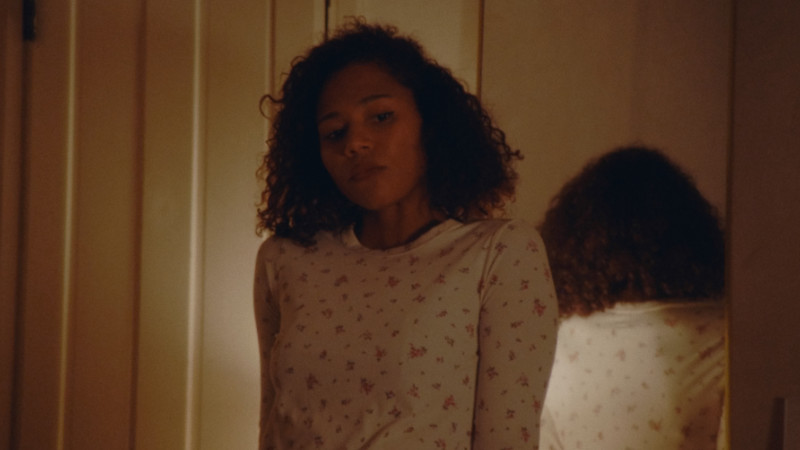
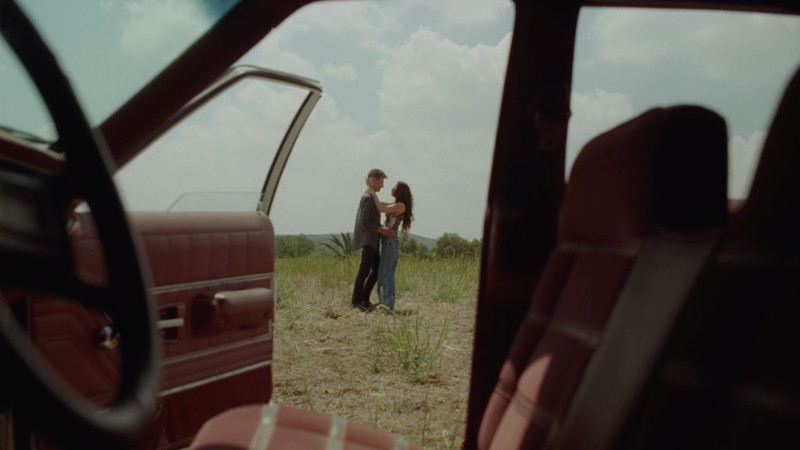
The Ride, directed by Slava Denisov, tells an unconventional story of life, time, and the people we encounter along the way—all through the perspective of a 1976 Plymouth. Passing from one owner to the next, the classic American car becomes a silent witness to decades of human experiences, observing moments of freedom, temptation, regret, and redemption. With the unmistakable voice of Ron Perlman bringing the vehicle’s reflections to life, an ordinary machine becomes an unlikely storyteller.
Rather than simply celebrating the nostalgia of a bygone era, The Ride explores the emotional connections we form with the objects that accompany us through life. Each new owner brings a different story, leaving behind traces of their choices, desires, and struggles. Through its unusual perspective, Denisov offers a reflection on the passage of time and the fleeting nature of human experience, reminding us that while people and circumstances change, the stories they leave behind continue to travel.
Below, we speak with director Slava Denisov about telling a human story through the eyes of a car, capturing decades of life within a single narrative, and bringing that perspective to life with Ron Perlman’s narration.

The Ride tells decades of human stories entirely through the perspective of a 1976 Plymouth Volare. Where did that unusual concept first come from?
As an immigrant, I was always fascinated by American cars, since I mostly saw them in movies growing up. Living in California now and seeing so many of them on the streets made me think about what kind of stories they might have witnessed over the decades of their lives. Looking at the world through the eyes of a car seemed like a perfect narrative device to travel through some of my favorite time periods in pop culture history without breaking the bank, since we were working with such a limited space. Also, our cinematographer Andrey Valentsov used to have a very cool yellow Mustang convertible, a car with a fair share of adventures of its own. When it unfortunately got lost, we started wondering what stories it had gone through and where it eventually ended up.
Giving the car a consciousness immediately changes how we view the people who pass through it. What interested you most about having a silent observer narrate their lives?
Initially I considered doing the whole film without narration, relying on visual storytelling alone. But when my partner and co-writer Grigory Borodavkin suggested we try voiceover, it became obvious how much emotion it brought to a story where the characters are designed to be rather simple archetypes.
The film spans different owners and eras while remaining connected to one object. How did you approach creating a cohesive story across those shifts in time?
Framing the story through the eyes of the car allowed us to focus on a single object that travels through the decades and stays relatively the same, while the world around it changes. And yet each owner brings their own touches to the car, leaving marks and pieces of their personality behind. Anthology stories are notoriously hard to crack, but I feel that having the car as both the main protagonist and a single location lets various genre vignettes, with different characters and even different eras, hold together as one story.

Cars can hold an incredible amount of memory and nostalgia. What does the Plymouth represent to you beyond being the film’s narrator?
From the very beginning we wanted to explore the relationship between people and their cars. Those connections tend to be more personal than the ones we have with most other objects. A car shares adventures and stories, and witnesses moments of grief and happiness. It can be a partner, a friend, a pet and so many other things to different owners, and each one leaves their own marks on it. We had to buy the car for the short, and when I started cleaning it up I found some really old, peeling casino chips under the carpet, which directly inspired the story about a gambler in the film. But what's even more fascinating is that we had already written the storyline with Javier and the rosary he keeps in the car. Then we got the car, opened the glove box, and found a rosary inside. That's the one that ended up in the movie.
The film explores freedom, temptation, and redemption through fleeting moments in people’s lives. How did you decide which moments the car would witness?
Ever since the inception of the idea, it seemed like we had so much to explore, whether it's a first kiss inside the car, the heart-pounding grief of someone rushing a loved one to the hospital, or the thrill of a getaway vehicle. We chose to focus on three stories in the short, each representing different emotions and different genres. Even that felt like scratching the surface of what's possible. In fact, after every festival screening I had people come up to me and share stories about their own cars and what they meant to them. From teenagers to elderly people, it seems like this concept truly hit a chord with a very wide audience.
Visually, how did you establish the car’s point of view while still giving each chapter its own identity?
With the car being a perfect framing device, grounding the audience in a single location, we could focus on experimenting with lighting, color correction and music to represent the different decades as the car moves through them. Yet the car's point of view stays the same, so we chose to shoot everything on a single vintage anamorphic lens, which further helped keep the story cohesive as we move through different periods and stories.

Ron Perlman’s voice gives the Plymouth a very distinct presence. What made him the right voice for The Ride, and what did he bring to the character that surprised you?
Ron was always my dream choice, and I could never imagine we would actually have him in the film. I absolutely adore him as an actor, but I also really appreciate his voice work across different media. He has such a unique presence in his voice alone, with the grit and gravel I felt we needed for an older car at the end of its life. We actually shot and cut the film first, and with that I reached out to Ron, who watched it and loved it enough to say yes, which was an absolute dream come true for me. We spent some time in the studio talking about how the car should sound at different moments of the story, and he absolutely nailed it, bringing so much heart and emotion and elevating our small experimental film into something truly special. I'm forever grateful to him for that.
With such an unconventional structure, how important were editing, music, and sound in creating the film’s rhythm and emotional continuity?
I worked as a film editor for many years, and that experience partially inspired the structure of the film. I was always fascinated by the power of the jump cut, because it allows you to jump seconds or years depending on how you frame it. So the initial idea was to tell the entire story through a series of jump cuts alone, with the car and a single camera perspective being a perfect device for that technique. Music played a huge role too. We were telling stories across decades, and while we couldn't afford any recognizable tracks from those eras, we were able to get authentic period music through a collaboration with Musicbed and their wonderful library of songs.
After spending 15 minutes seeing human life through something that outlives many of our relationships and experiences, what do you hope audiences take away from The Ride?
I love thought-provoking, edgy genre movies as much as anyone, but over the last few years I've felt truly overwhelmed by bad news from all over the world, and by movies becoming more sarcastic, more cynical and at times disturbing. Maybe because of that, I felt inspired to create a simple and kind feel-good movie, happy ending included. That's really all I want the audience to take away, just the feeling of nostalgia, adventure and love.
What are the books, podcasts or even YouTube Channel that you recommend young filmmakers to get their hands on?
One book that truly shaped my world as a young filmmaker is Cinema Between Heaven and Hell by Alexander Mitta, but I also love reading director biographies and interview books like Stanley Kubrick: Interviews and Hitchcock/Truffaut. And I absolutely adore YouTube channels such as Film Shortage and Omeleto for letting filmmakers share their short films with the world. I find a lot of inspiration in that.
Can you share with us some of your favorite short films you’ve seen lately?
Being on the festival run with The Ride allowed me to watch many short films on the big screen, and a lot of them made a lasting impression. A few standouts: The Lord of All Future Space and Time by Chris Paul Russell, And Now I Lay Me Down (Watch on FS) by Rani Demuth, and Light Bunny by Valerian Zamel.