
When a Haunted House Faces Eviction, the Living and the Dead Join Forces
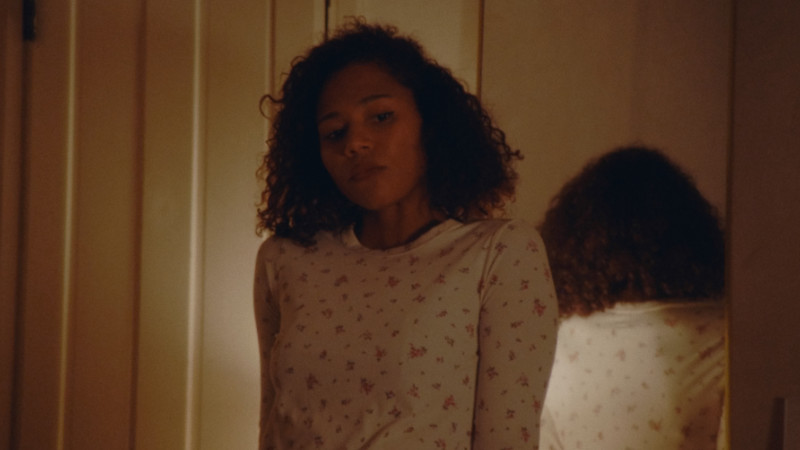
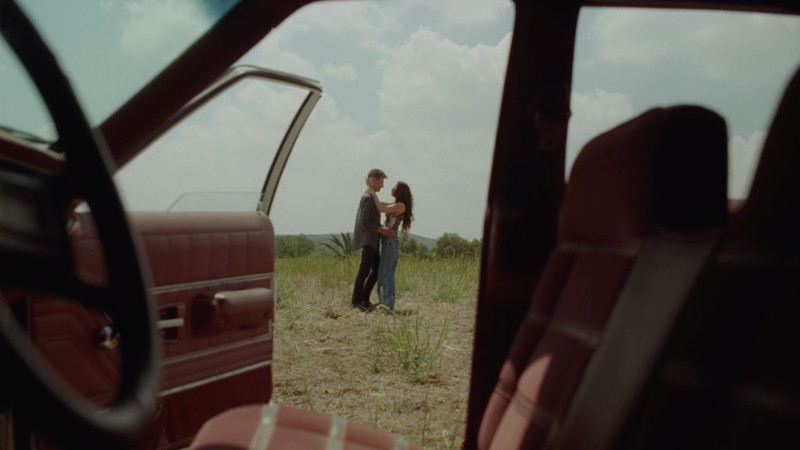
Halfway Haunted, directed by Sam Rudykoff, puts a playful supernatural twist on an all-too-familiar modern nightmare: the struggle to keep a roof over your head. When a ruthless real estate developer threatens to demolish a haunted house, its unlikely inhabitants—a struggling tenant and a resident ghost—must put their differences aside to save the place they both call home. What follows is an unconventional alliance where the supernatural might just be the best defense against the very real horrors of the housing market.
Blending comedy, suspense, and a touch of social satire, Halfway Haunted finds humor in the increasingly absurd realities of housing insecurity, predatory landlords, and the desperate lengths people will go to protect their homes. Beneath its ghostly premise lies a surprisingly relatable story about belonging, community, and standing up to forces far more frightening than anything lurking in the shadows. Rudykoff uses the familiar language of haunted-house cinema to turn expectations upside down, suggesting that sometimes the real monsters aren’t the ones haunting the property.
Below, we speak with director Sam Rudykoff about finding comedy in the housing crisis, turning a haunted house into a story of unlikely friendship, and using supernatural suspense to explore some very real anxieties.

Halfway Haunted combines a supernatural premise with the very real frustrations of the housing crisis. What first inspired you to bring these two worlds together?
I love haunted house movies, but these days a lot of them feel pretty tame: The ghosts do a bunch of spooky stuff but they aren’t really hurting anyone most of the time. It struck me that dealing with an abusive landlord is way worse in a lot of ways,and it got me wondering what would happen if someone actually got to choose between one or the other.
There’s something wonderfully ironic about a ghost and a tenant joining forces to protect their home. How did you develop this unlikely partnership?
Both characters represent something that’s under threat from gentrification: she’s a person who needs affordable housing, and he’s an embodiment of the past that’ll cease to exist if the house is destroyed. So they’re put in a position where they both have something to lose, and they need to work together if they want to save the house.

The film blends horror, comedy, and social commentary. How did you approach balancing these elements without losing the story’s emotional core?
I wanted to make sure the story was always focused on Jess trying to decide between the lesser of two evils, and using that as a north star helped me avoid thinking about things in terms of genre. The tone more or less took care of itself after that: I just had to let things be as scary or silly (or both) as I thought they would be if they were actually happening.
The house is more than just a setting—it’s something both characters are fighting to preserve. How did you approach its visual identity and atmosphere?
The house had to check a few different boxes for it to feel meaningful to both Jess and the Ghost: It had to be old and creaky enough to feel like a haunted house, but it also had to have a bit of grittiness to be believable as a cheap place to live. Our production designer Logan Greene did a great job balancing those priorities.
We also got very lucky with the location itself: The house actually belongs to my producer Mark’s aunt and uncle.
Your own experiences as a renter helped inspire the film. How did you transform those frustrations into a story that feels both entertaining and meaningful?
When you rent you really do feel like you’re at the mercy of the market and your landlord, and that feeling of helplessness can turn into desperation, which can lead to questionable choices. It creates a lot of opportunities for conflict and escalation, and those are things that help stories come to life.

Ghost stories traditionally revolve around people trying to escape haunted houses. What interested you in reversing that idea and making the haunted house something worth fighting for?
Like I mentioned earlier, I’ve sometimes felt like living in a haunted house would be preferable to dealing with some of the other housing issues you hear about today. So the idea was to start with this idea that things have gotten so bad out there that a haunted house might actually be your best option, which has so much absurdity built into it, but it’s also kind of true these days.
Comedy and horror often share a similar sense of timing and surprise. How did you use cinematography, editing, and sound to bring out both the scares and the laughs?
I wanted the story to feel like it was about a real person dealing with real problems, but still have the flexibility to lean into horror when it counted. My cinematographer Peter Schnobb and I wanted the look of the film to be sort of “realism plus”- something that felt like it took place in the real world, but not to the point of being restrictive. That approach informed most of the elements of the production. We tried to give everything a sort of matter-of-factness, which meant that we weren’t telegraphing and underlining beats so much as just letting them happen. It helped both the jokes and the scares have an unpredictable quality, because we never really made a commitment to the viewer that it was going to be one type of film or the other.

What books, podcasts, or YouTube channels would you recommend to aspiring filmmakers?
Hollyweird With Colby is an instagram page run by Colby Day, who’s a tremendously talented writer/director. He’s great at breaking down the craft of writing and also answering common questions about navigating the industry.
Can you share some of your favorite short films you’ve seen lately?
The Episode by Logan Graham Greene
We Were Here by Pranav Bhasin and Yash Gonsai
A Crime Across Four Landscapes by Aidan Weaver