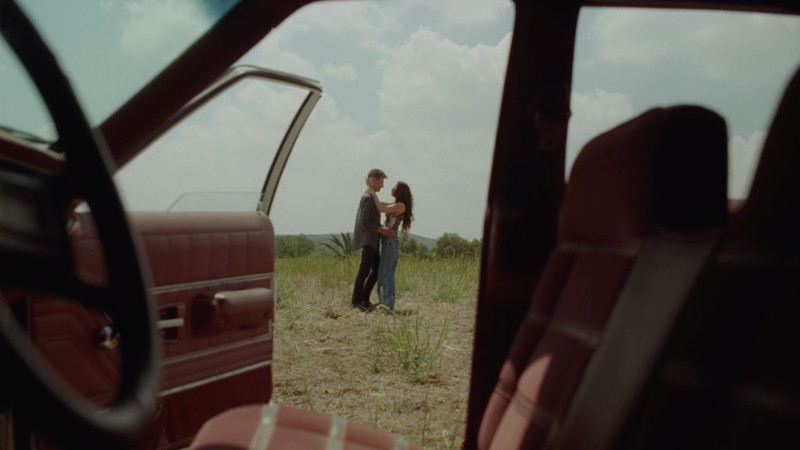

It's 1983 in San Francisco, and a mysterious killer is targeting homosexual men. But Calvin just wants to kiss that handsome stranger on the beach.
Director’s Vision for ‘Strangers On A Beach’
While Strangers on a Beach draws from the dreamlike sandbox of ’80s noir, made famous by directors like David Lynch and Brian De Palma, its roots are deeply personal. I wrote the film compelled by the rising incidents of hate and violence against my Jewish and Queer communities. Fear and paranoia began to fracture my communities from within. I was particularly struck by the projections my friends began to place on one another: Are you an ally or an enemy? Are you safe or are you dangerous?
To better understand this dynamic, I looked to other times in recent history when violence had sown division within my communities. It wasn’t long before I landed on the very world I was born into: San Francisco in the early 80’s. At this time, the local Queer community, still reeling from the assassinations of Milk and Moscone, faced the onslaught of the AIDS crisis and the carnage of The Doodler, a serial killer who targeted gay men while police, politicians and the media remained silent.
Erotic thrillers of the early ’80s often reveled in Queer subtext. But what if one of those films had been made by Queer filmmakers, fully embracing a Queer narrative? Kicking off with a classic camp trope of 80’s cinema—the cheery musical montage—we wanted to puncture this era’s most artificial façades, ultimately exposing the perils of projection and the cost of concealed identity. By film’s end, my hope is that the biases and distortions of both the characters and the audience have been called into question.